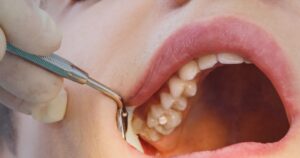
Have you ever taken a bite of food and felt sudden, sharp tooth pain? Tooth pain when biting down can make everyday activities like eating uncomfortable. Occasional sensitivity may seem harmless, but pain when chewing can signal an underlying dental problem that needs attention.
Understanding what causes tooth pain when you bite down can help you know when to schedule a dental appointment.
Common Causes of Tooth Pain When Biting Down
Several dental conditions can cause discomfort when you bite or chew. Some of the most common include:
1. Tooth Decay or Cavities
Cavities develop when bacteria produce acids that gradually damage tooth enamel. As decay progresses into deeper layers of the tooth, you may experience sensitivity or pain when chewing.
Depending on the severity of the decay, treatment may involve a filling, crown, or another restorative procedure. Addressing cavities early can help prevent additional damage.
2. A Cracked or Fractured Tooth
A cracked tooth can also cause sharp pain when you bite down. Cracks can develop from chewing hard foods, grinding your teeth, or injuries.
Sometimes, the crack is too small to see without a dental examination. Pain may occur when you bite down or release pressure from the tooth.
Depending on the damage, your dentist may recommend a filling, root canal treatment, or dental crown to protect the tooth.
3. A Loose or Damaged Filling
Dental fillings restore teeth damaged by decay, but they can wear down, loosen, or crack over time.
When a filling is damaged, chewing pressure may irritate the tooth underneath. You might also notice sensitivity to hot or cold foods.
Your dentist can examine the filling and decide whether to replace it, or if it needs a crown.
4. Tooth Infection or Inflammation
When bacteria reach the tooth’s inner pulp, it can become inflamed or infected. This may cause persistent discomfort, sensitivity, or pain when you bite down.
In some cases, root canal treatment may be necessary to remove infected tissue and preserve the natural tooth.
Facial swelling, fever, or worsening pain can indicate a more serious problem that requires prompt attention.
5. Teeth Grinding or Clenching
Grinding or clenching your teeth, also called bruxism, can place excessive pressure on your teeth and surrounding tissues.
Over time, this pressure may lead to tooth sensitivity, jaw soreness, or discomfort while chewing.
A dentist can evaluate signs of grinding and recommend appropriate treatment, such as a custom night guard.
What Should You Do If Your Tooth Hurts When Chewing?
If you experience tooth pain when biting down, avoid chewing on the affected side until you can have it examined.
You can also try eating softer foods and avoiding extremely hot or cold beverages if they trigger discomfort.
The American Dental Association recommends contacting your dentist when you experience a toothache or dental injury.
Even if the pain comes and goes, schedule an examination. Some dental problems can worsen without treatment.
When Should You See a Dentist?
A dentist should evaluate tooth pain that persists, returns frequently, or worsens. Sudden pain after an injury, a broken tooth, or signs of infection may require more immediate care.
If you experience difficulty breathing or swallowing, seek emergency medical care immediately.
Schedule a Dental Appointment in Ballantyne, NC
If you’re experiencing tooth pain when biting down, Warrier Family Dentistry is here to help. Our dental team provides personalized care to patients throughout Ballantyne and South Charlotte.
Don’t let tooth pain interfere with your daily routine. Contact Warrier Family Dentistry today to schedule an appointment and find out what’s causing your discomfort.