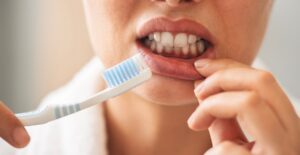
You brush your teeth twice a day, but your breath still doesn’t seem fresh. If this sounds familiar, you’re not alone. Persistent bad breath, also called halitosis, affects millions of people and isn’t always caused by poor brushing habits. In many cases, the source of the problem is something brushing alone can’t fix.
At Warrier Family Dentistry in Ballantyne, NC, we help patients identify the underlying causes of chronic bad breath so they can enjoy healthier smiles and greater confidence.
Bacteria on Your Tongue
Many people focus only on brushing their teeth, but the tongue is one of the most common places for odor-causing bacteria to collect. The rough surface on the back of your tongue traps food particles, dead cells, and bacteria that produce sulfur compounds responsible for unpleasant breath.
Using a tongue scraper or gently brushing your tongue every day can make a noticeable difference.
You’re Skipping Flossing
Even the best toothbrush can’t clean between your teeth. Food particles left behind become fuel for bacteria, leading to plaque buildup and unpleasant odors.
Daily flossing removes debris from places your toothbrush can’t reach while also helping reduce your risk of cavities and gum disease.
Gum Disease May Be Developing
Persistent bad breath is often one of the earliest warning signs of gingivitis or periodontal disease. As bacteria build up below the gumline, they create odors that won’t disappear with brushing alone.
Other symptoms include:
- Bleeding when brushing or flossing
- Swollen or tender gums
- Gum recession
- Loose teeth
A professional dental exam can determine whether gum disease is contributing to your bad breath.
Dry Mouth Reduces Your Mouth’s Natural Defense
Saliva constantly washes away bacteria and food particles. If your mouth is dry, bacteria multiply much faster.
Dry mouth may be caused by:
- Certain medications
- Mouth breathing
- Dehydration
- Smoking or vaping
- Some medical conditions
Drinking plenty of water and discussing chronic dry mouth with your dentist can help reduce bad breath.
Cavities or Old Dental Work
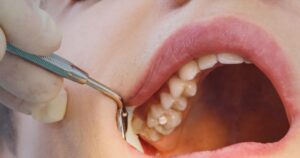
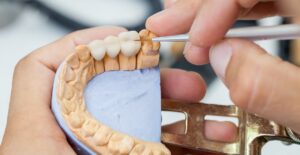
A cavity creates the perfect hiding place for bacteria. Likewise, worn fillings, damaged crowns, or other dental restorations may trap food and plaque.
If your breath has recently become worse, it’s worth having your teeth examined for hidden decay or failing dental work.
Sometimes the Cause Isn’t Dental
Although most cases of chronic bad breath begin in the mouth, other health conditions can also contribute, including:
- Sinus infections or postnasal drip
- Tonsil stones
- Acid reflux (GERD)
- Diabetes
- Certain medications
If your dentist rules out oral causes, they may recommend speaking with your primary care physician for further evaluation.
When Should You See a Dentist?
Occasional bad breath after eating garlic or onions is perfectly normal. However, if your bad breath continues despite brushing, flossing, and using mouthwash, it’s time for a professional evaluation.
A dental exam can identify problems that may not be visible at home and help you address the underlying cause before it becomes more serious.
Fresh Breath Starts With a Healthy Smile
Bad breath isn’t something you simply have to live with. Whether the cause is bacteria, gum disease, dry mouth, or another oral health issue, identifying the source is the first step toward lasting relief.
If you’ve been struggling with persistent bad breath, Warrier Family Dentistry in Ballantyne, NC, is here to help. If you’re in the Ballantyne area, schedule an appointment today to keep your smile healthy, your breath fresh, and your confidence strong.