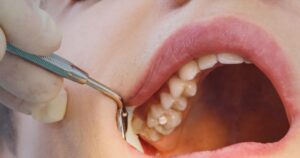
Tooth pain can be frustrating and sometimes alarming. While not every toothache means you need a root canal, certain symptoms may indicate that the inner part of your tooth, which is called the pulp, has become infected or severely inflamed. Root canal treatment is designed to remove this infection, relieve pain, and save the natural tooth. Understanding the warning signs can help you seek treatment before the problem worsens.
Persistent Tooth Pain
One of the most common signs that you may need a root canal is persistent or severe tooth pain. This pain may occur when chewing, biting, or applying pressure to the tooth. In some cases, the discomfort may come and go, while in others it may be constant and difficult to ignore.
The pain may also spread to nearby areas such as the jaw, face, or other teeth. If tooth pain lasts for several days or worsens, it is important to have it evaluated by a dental professional.
Sensitivity to Hot and Cold
Another possible sign is prolonged sensitivity to hot or cold foods and drinks. While mild sensitivity can be normal for some people, lingering pain after the temperature is removed can indicate damage to the tooth’s pulp.
For example, if drinking hot coffee or eating ice cream causes sharp or lingering pain that lasts for several seconds or even minutes, it may indicate that a nerve inside the tooth is affected.
Swollen or Tender Gums
An infection inside a tooth can also cause swelling or tenderness in the surrounding gums. The gums near the affected tooth may appear red, puffy, or sensitive to the touch.
Sometimes a small pimple-like bump, called a dental abscess, may appear on the gums. This can be a sign that the infection has spread beyond the tooth and requires prompt dental care.
Tooth Discoloration
A tooth that becomes darker or discolored may be another indicator of damage to the inner tissue of the tooth. When the pulp becomes infected or injured, it can affect blood flow inside the tooth, leading to a gray or darkened appearance.
While discoloration can have several causes, a dentist can determine whether a root canal or another treatment is needed.
Pain When Touching or Chewing
If you notice sharp pain when biting down or touching a tooth, it could mean the nerve inside the tooth is inflamed or infected. This discomfort may also occur when pressure is released after chewing.
Ignoring this symptom can allow the infection to worsen, potentially leading to more extensive dental issues.
When to See a Dentist
If you experience any of these symptoms, it is important not to delay treatment. Early diagnosis can often prevent the infection from spreading and may help save your natural tooth.
A qualified dental professional can examine the tooth, take X-rays if necessary, and determine whether a root canal or another treatment is the best option. If you are experiencing tooth pain or other concerning symptoms, consulting a trusted dental office, such as Warrier Dentistry, can help ensure you receive an accurate diagnosis and appropriate care.
Prompt treatment not only relieves discomfort but also helps protect your long-term oral health. If you suspect something is wrong with your tooth, scheduling an evaluation with a dentist is the best step toward restoring your smile and preventing further complications. If you’re looking for a dentist in the Ballantyne area of Charlotte, NC, contact Warrier Dentistry today to schedule your visit.